rrpanama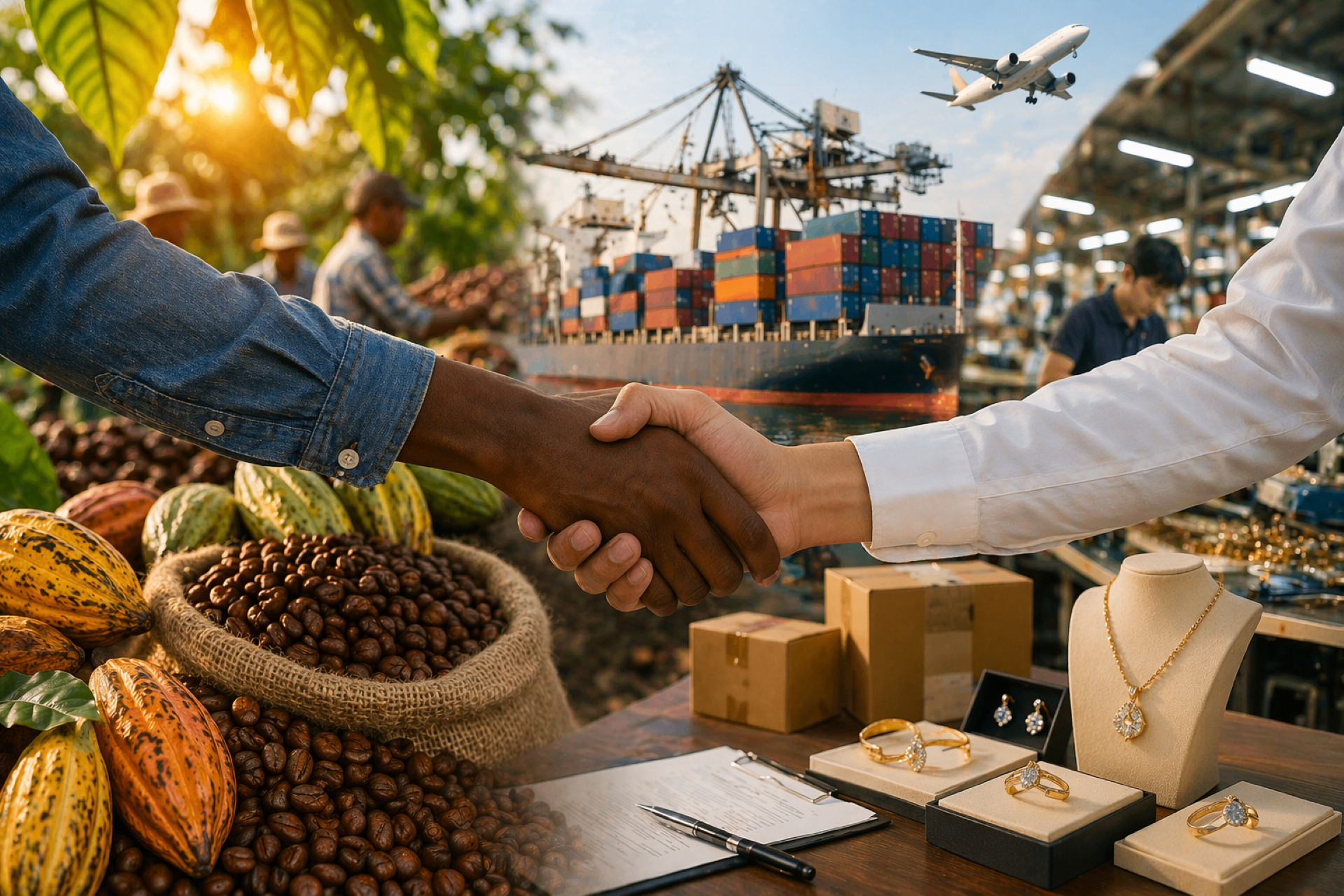
Introduction
In international trade, one factor consistently separates stable businesses from unreliable ones: how products are sourced.
Many companies rely on intermediaries, brokers, or layered supply chains. While this may simplify initial access to products, it often creates long-term challenges in quality, pricing, and consistency.
Direct sourcing offers a different approach; one built on transparency, control, and long-term relationships. For importers, resellers, and distributors, understanding this model is essential for building a reliable and scalable business.
1. What Direct Sourcing Really Means
Direct sourcing is the process of working closely with producers or manufacturers without unnecessary intermediaries.
This does not simply mean “buying directly.” It means:
- Establishing relationships at the source
- Understanding how products are made
- Maintaining communication throughout the supply process
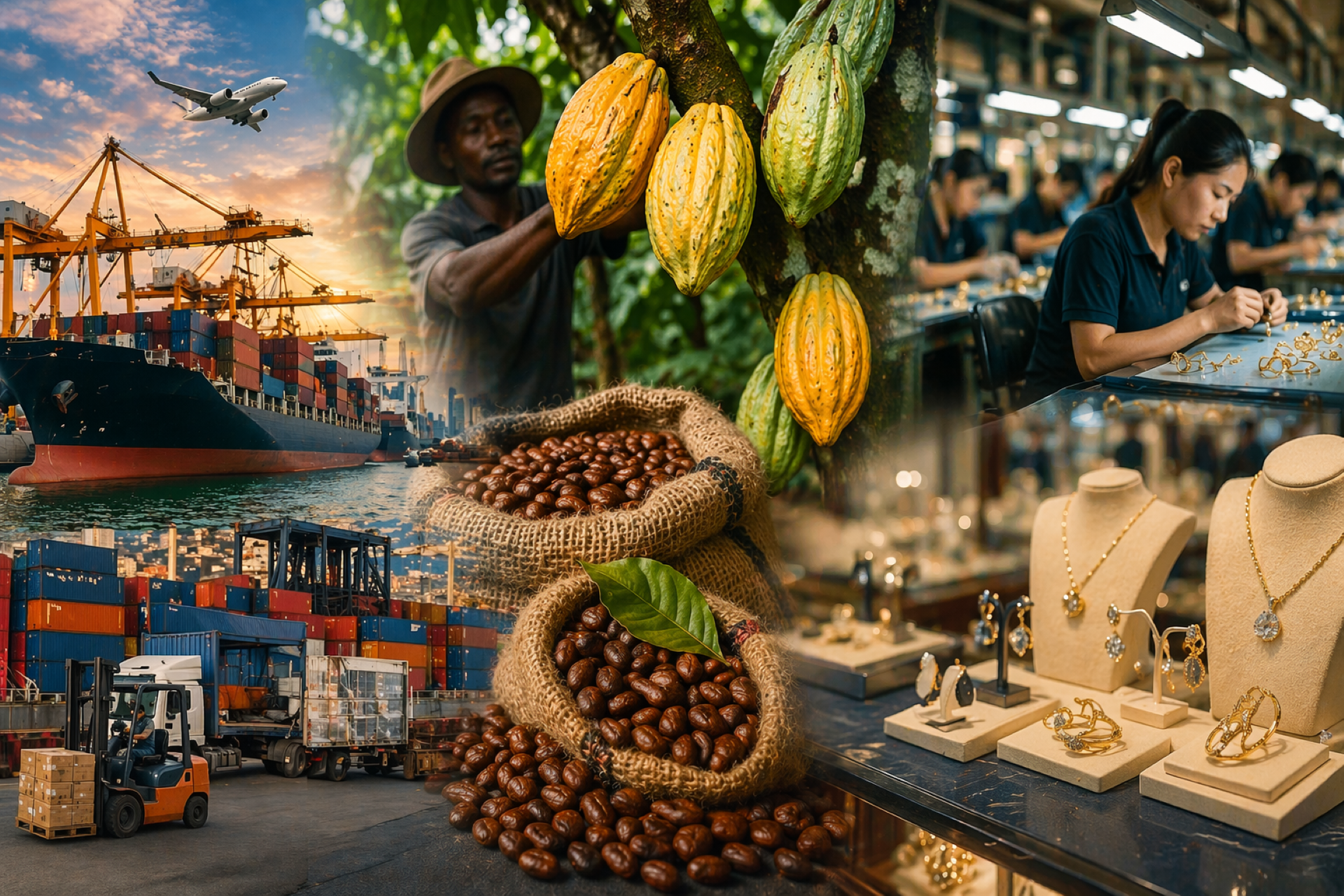
Whether sourcing coffee from Latin America, cacao from agricultural regions, or jewelry products from manufacturers in China for resale in markets like Tanzania, direct sourcing creates visibility across the entire supply chain.
This visibility is what allows businesses to operate with confidence.
2. The Problem with Layered Supply Chains
Many sourcing models involve multiple middlemen. While this may provide convenience, it often introduces risks such as:
- Lack of transparency in pricing
- Inconsistent product quality
- Delayed communication
- Limited control over supply
In these situations, businesses are often reacting instead of managing.
For example, when sourcing through intermediaries, it may be difficult to trace where a product truly comes from or how it was handled. This becomes a serious issue when customers expect consistency and authenticity.
Over time, these challenges reduce trust, both with suppliers and with customers.
3. Building Trust at the Source
Direct sourcing allows businesses to build trust where it matters most—at the origin.
This includes:
- Understanding production methods
- Aligning on quality expectations
- Establishing consistent communication
For natural products, this means working with producers who understand harvesting, processing, and handling standards.
For manufactured goods like jewelry, it involves working with factories that maintain consistent production quality and meet required specifications.
Trust is not built through contracts alone, it is built through consistent, transparent interaction over time.
4. Quality Consistency Across Shipments
One of the biggest challenges in global trade is maintaining consistent quality across multiple shipments.
Direct sourcing helps address this by:
- Creating clear quality standards
- Allowing feedback loops between buyer and producer
- Reducing variation between batches
Without direct relationships, quality often fluctuates. This creates challenges for resellers, who depend on consistency to maintain customer satisfaction.
When sourcing is structured and direct, businesses can maintain a predictable level of quality—an essential factor for long-term growth.
5. Pricing Transparency and Long-Term Stability
Price is one of the most sensitive aspects of trade.
Indirect sourcing often leads to:
- Hidden margins
- Price fluctuations
- Limited negotiation control
Direct sourcing provides better clarity in pricing structures. This allows businesses to:
- Plan more effectively
- Maintain stable pricing for customers
- Protect margins over time
While direct sourcing may not always offer the lowest initial price, it provides long-term stability, which is more valuable for serious businesses.
6. Flexibility and Product Development
Another key advantage of direct sourcing is flexibility.
When working directly with producers or manufacturers, businesses can:
- Request product modifications
- Develop custom product lines
- Adapt packaging and branding
This is particularly important for companies looking to differentiate in competitive markets.
For example, developing proprietary product lines, whether in food products or jewelry, requires close coordination with the source. This level of control is not possible through multiple intermediaries.
7. Risk Reduction in International Trade
Every stage of global sourcing carries risk:
- Supply disruptions
- Quality issues
- Miscommunication
- Regulatory challenges
Direct sourcing reduces these risks by improving:
- Communication clarity
- Accountability
- Visibility across the supply chain
When businesses understand their supply chain, they are better prepared to handle challenges and maintain operations.
8. The Strategic Advantage for Resellers
For resellers, direct sourcing creates a strong competitive advantage.
It allows them to:
- Offer consistent products
- Build trust with customers
- Differentiate through quality and origin
Instead of competing only on price, resellers can position themselves based on:
- Reliability
- Authenticity
- Product story
This leads to stronger customer relationships and more sustainable growth.
Conclusion
Direct sourcing is not just a method, it is a strategy.
It transforms sourcing from a transactional process into a structured system built on trust, consistency, and long-term thinking.
For businesses involved in international trade, the question is no longer whether to source globally—but how to do it in a way that supports stability and growth.
Direct sourcing provides that foundation.
Call to Action
Looking to build reliable sourcing relationships?
Connect with us to explore direct sourcing opportunities tailored to your market.