rrpanama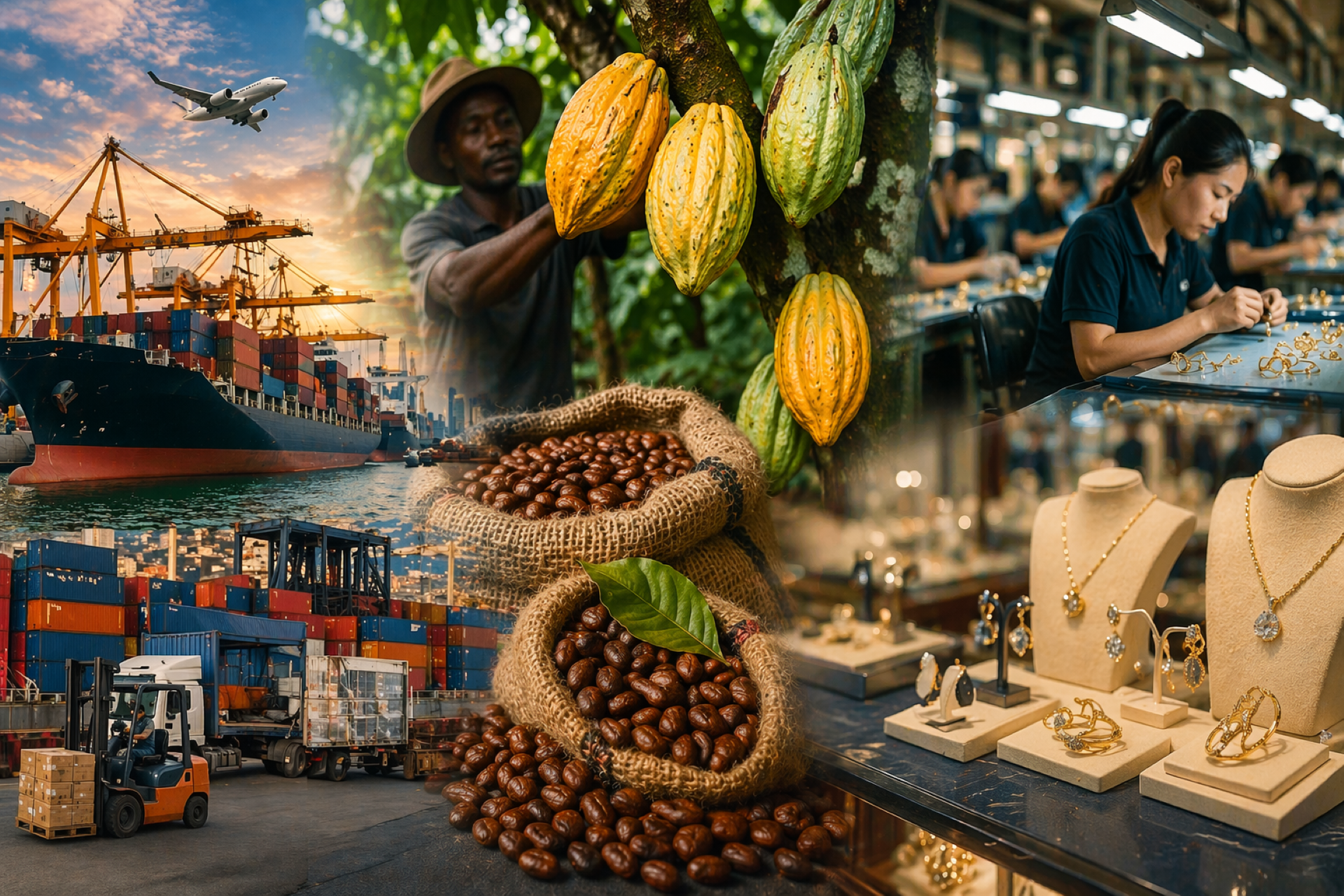
Introduction
Global sourcing is often misunderstood as a simple process of buying products from one country and selling them in another. In reality, it is a structured system that requires coordination, discipline, and a clear understanding of both supply and demand.
For importers and resellers, understanding how sourcing works is critical. It determines product quality, pricing stability, and the reliability of your business operations.
This guide breaks down the key stages of global sourcing and what you need to consider at each step.
1. Understanding the Origin: Where Products Begin
Every product has a starting point—its origin. This is where quality is defined.
For natural products such as coffee, cacao, and agricultural goods, origin plays a major role in determining:
- Flavor profile
- Consistency
- Market value
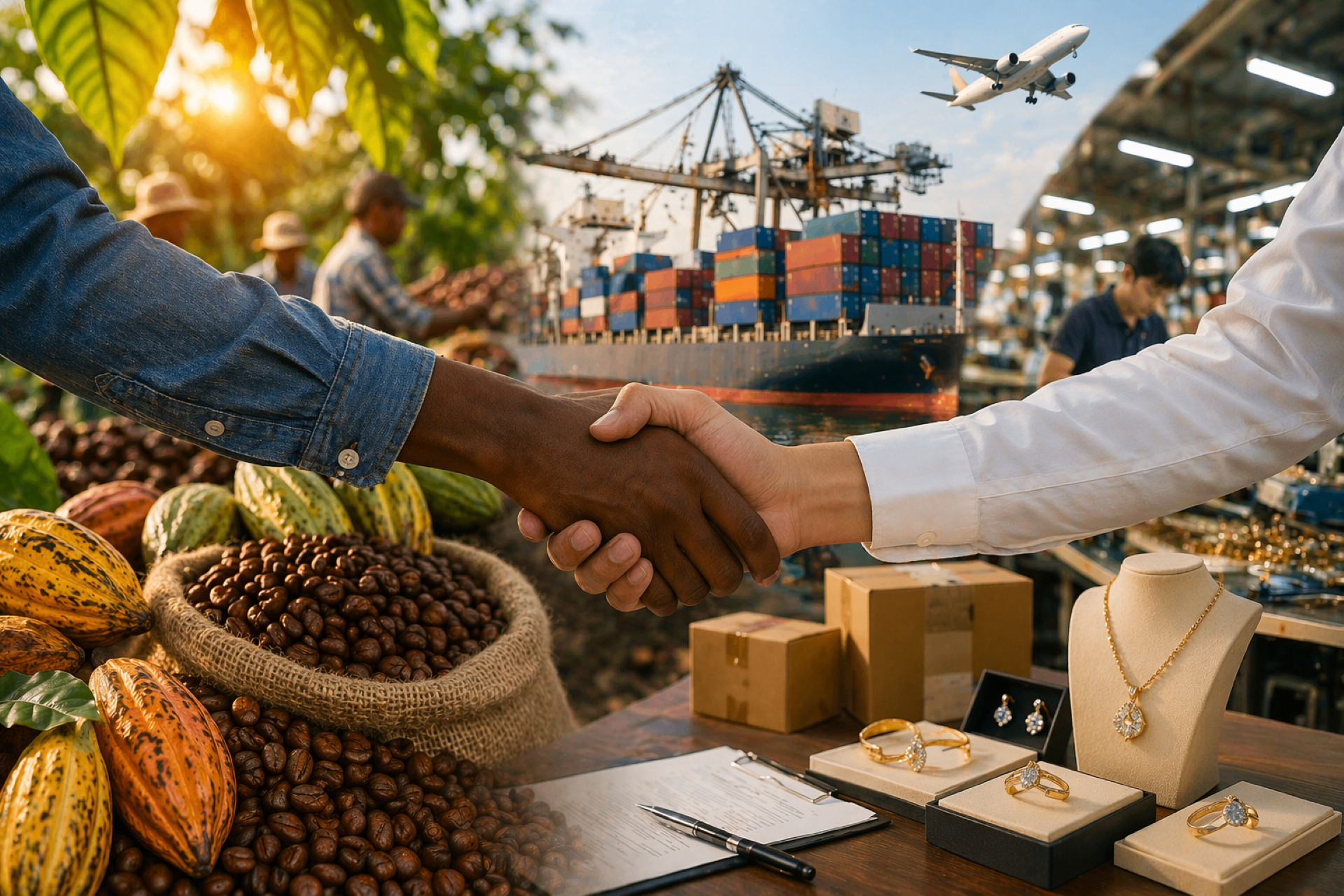
At the same time, manufactured goods—such as jewelry and accessories—depend on production standards, material quality, and supplier capability. For example, sourcing jewelry products from manufacturing hubs like China requires careful evaluation of production processes and consistency.
Working directly with producers and manufacturers allows better visibility into these factors and reduces uncertainty.
2. Supplier Selection: Reliability Over Price
One of the most common mistakes in sourcing is prioritizing price over reliability.
A low-cost supplier may appear attractive initially, but inconsistency in quality or supply can lead to:
- Lost customers
- Delayed shipments
- Increased operational risk
This applies across industries. Whether sourcing agricultural products from Latin America or jewelry from Asia for resale in markets like Tanzania, reliability is what sustains business operations.
Reliable sourcing focuses on:
- Consistent product quality
- Clear communication
- Ability to meet agreed volumes
In global trade, a stable supplier relationship is more valuable than short-term cost savings.
3. Quality Control: Protecting Product Value
Quality is not something that can be fixed at the destination; it must be controlled at the source.
For natural products, this includes handling, processing, and storage.
For manufactured goods like jewelry, it includes:
- Material verification
- Finishing standards
- Packaging quality
Effective quality control includes:
- Product inspection before shipment
- Verification of production standards
- Proper packaging for international transport
Without these controls, products may degrade or fail to meet expectations, leading to losses and reputational damage.
4. Logistics and Transportation: Moving Products Efficiently
Once products are ready, the next stage is logistics; one of the most complex parts of global sourcing.
This includes:
- Freight selection (air, sea, or land)
- Documentation and compliance
- Customs clearance processes
For example, shipping jewelry products from China to Tanzania requires careful coordination to ensure security, proper documentation, and timely delivery. Similarly, transporting agricultural products requires conditions that preserve freshness and quality.
Poor logistics planning can result in:
- Delays
- Additional costs
- Product damage
Efficient logistics ensures that products arrive on time and in the expected condition.
5. Import Requirements and Market Entry
Each destination market has its own requirements. These may include:
- Import permits
- Product certifications
- Labeling standards
- Health and safety regulations
Understanding these requirements is critical. For example:
- Food products entering international markets may require strict compliance and certifications
- Jewelry and manufactured goods may require proper classification, valuation, and documentation
Failure to meet these requirements can result in:
- Shipment rejection
- Financial losses
- Legal complications
Preparation at this stage protects your entire operation.
6. Distribution: Connecting Supply to Demand
Once products arrive, distribution becomes the final step.
This involves:
- Identifying target customers
- Working with distributors or retailers
- Managing inventory and delivery
For resellers, this is where strategy matters most. Whether distributing natural products into Europe or selling imported jewelry in Tanzania, success depends on:
- Product positioning
- Pricing strategy
- Understanding customer demand
Without proper distribution planning, even high-quality products may struggle in the market.
7. The Role of Structured Sourcing Partners
Managing all these stages independently can be complex.
Structured sourcing partners help:
- Coordinate supplier relationships
- Ensure quality control
- Manage logistics and compliance
- Align supply with market demand
This allows importers and resellers to focus on growing their business while maintaining operational stability.
Conclusion
Global sourcing is not a single action; it is a system.
From agricultural products in Latin America to manufactured goods like jewelry sourced from Asia and distributed into African markets, each stage must be handled with precision.
Businesses that understand and structure their sourcing processes are better positioned to build reliable operations, maintain product quality, and grow sustainably in international markets.
Call to Action
Interested in sourcing reliable products for your market?
Contact us to explore structured sourcing and distribution opportunities.